After the drone strike near Dubai International Airport disrupted UAE aviation, 1win moved within a day to arrange private charter flights for VIP clients. The immediate point is not that private aviation became an easy substitute for commercial travel, but that in a crisis it became a costly, tightly managed option where licensing, safety standards, and payment terms mattered as much as speed.
What 1win actually did after the Dubai disruption
With commercial services interrupted and Emirates temporarily halting operations, 1win organized private jets for VIP users seeking to leave the UAE without waiting for normal schedules to return. The flights were arranged from Dubai and Abu Dhabi, with routes aimed at Latin America, Asia, and CIS destinations.
The timing is the key detail. The company reportedly secured these charter options within a day of the airport closure, which matters because availability in this market changes quickly once a regional security event starts affecting airline operations. In practice, that speed can determine whether a traveler gets a direct aircraft, faces a long repositioning delay, or loses access altogether as demand spikes.
Why private charters were available but not simple
Private aviation offered one clear advantage during the disruption: it reduced dependence on canceled commercial routes and unstable airport schedules. Direct departures, shorter ground procedures, and more control over timing made charters useful for travelers with urgent departure needs or privacy concerns.

But the common misreading is that a private jet is just a faster version of a normal ticket. It is not. Once commercial flights are suspended, charter demand rises sharply and pricing can move just as fast. That means the practical barrier is not only whether an aircraft exists, but whether the operator can legally fly the route, position the aircraft in time, and provide terms the passenger understands before payment.
For casino-linked VIP travel, that distinction matters. A high-value user may accept the premium because delay carries its own cost. A casual traveler or anyone with a flexible schedule is in a different position and may be better served by waiting for commercial operations to stabilize rather than entering a fast-moving charter market under pressure.
Booking conditions matter as much as the aircraft
In this kind of disruption, the main risk is not only the security event itself. It is also the chance of booking through an operator or broker whose licensing, insurance position, cancellation rules, or refund handling are unclear. Readers in the casino category should treat this the same way they would treat a payment or withdrawal policy: if the terms are vague before payment, the problem usually gets worse afterward.
Aerodyne Aviation is one example of the type of provider active in this space, offering 24/7 charter services and access to more than 6,000 aircraft types. That scale can help when travelers need anything from smaller turboprops to long-range executive jets on short notice, but broad inventory alone does not remove the need to verify who is operating the flight, under which authority, and on what financial terms.
| Decision point | What to verify | Why it matters during disruption |
|---|---|---|
| Operator legitimacy | Licensing from recognized aviation authorities and named operating carrier | Reduces the risk of dealing with unregulated brokers or flights that cannot legally depart |
| Safety standard | Aircraft certification, crew credentials, insurance coverage | A rushed booking can hide gaps that only become visible after payment or at departure |
| Payment terms | Deposit size, full-payment timing, accepted methods, currency handling | Charter bookings often require large upfront payment with limited flexibility |
| Cancellation and refund rules | Reimbursement conditions, delay treatment, force majeure clauses | Security incidents can change quickly, and refunds may be far stricter than with airline tickets |
| Route practicality | Departure airport status, permits, destination restrictions, repositioning time | An available aircraft is not useful if the route cannot be cleared or staffed in time |
Who should consider a charter, and who should pause
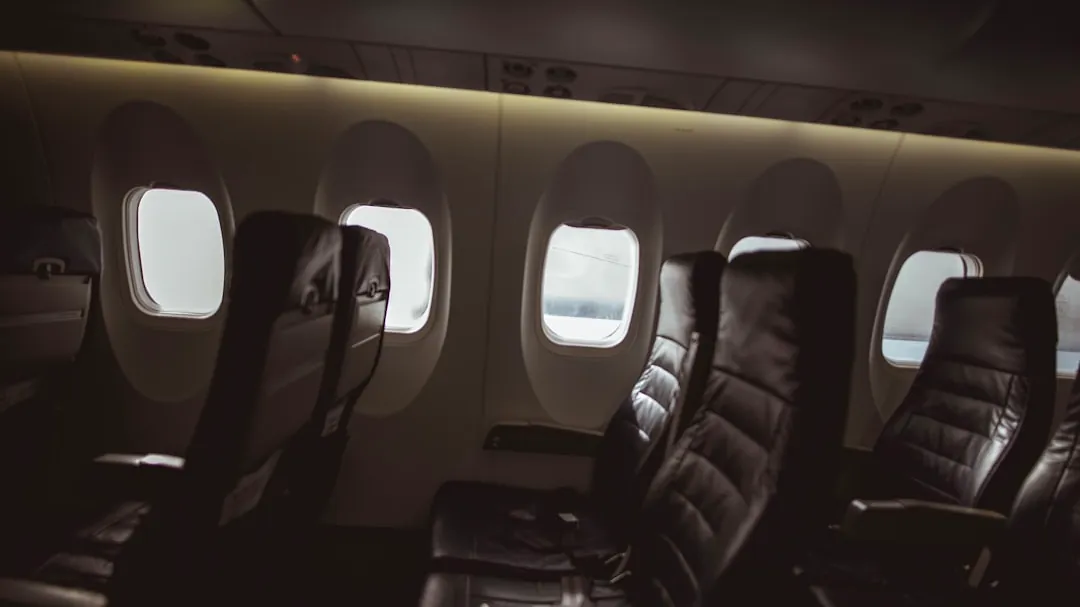
A private charter makes the most sense for travelers who need to leave immediately, cannot tolerate uncertain rebooking chains, or require direct routing that commercial carriers are no longer offering. That fits the profile of some VIP clients, including users tied to platforms such as 1win, where urgency and privacy may outweigh price.
It makes less sense for travelers treating private aviation as a budget workaround or assuming the process is frictionless. Rising charter prices, stricter payment commitments, and limited reimbursement options are all stop signals for anyone without a clear need to depart now. If the trip can wait, the more practical move is often to monitor the UAE security situation and airline operational updates rather than locking into an expensive charter under unstable conditions.
Next checkpoint before making a booking
The immediate checkpoint is whether UAE commercial operations are resuming in a stable way or still facing rolling disruption. That determines whether a private charter remains necessary or has become an avoidable premium. Conditions can change faster than standard travel advice pages update, so travelers should check both airport status and airline operations before committing.
If a charter is still necessary, the next threshold is simple: do not proceed until the operator, route, safety documentation, and payment terms are all clear in writing. In the case of 1win’s response, the notable part was the speed of arranging flights during a regional disruption. For readers, the more useful lesson is that speed only helps when the booking remains regulated, insurable, and financially understandable from the start.