
Two armed robberies in the Delaware Park Casino parking lot on March 8, 2026 make clear this is not a random quirk of timing: parking areas around casinos can be predictable targets unless operators and patrons change behavior. The incidents involved two suspects who returned to the lot, escalated violence, and fled using a stolen vehicle — facts that change both immediate safety choices for visitors and what counts as an adequate security response.
What happened at Delaware Park Casino on March 8, 2026
Two armed suspects arrived in a dark Nissan sedan and first confronted two people walking to their cars, demanding money and belongings; those victims surrendered without reported physical injury. The suspects then returned and attacked a third victim, a 24‑year‑old man from Avondale, Pennsylvania, striking him in the head with a handgun and hospitalizing him with non‑life‑threatening injuries.
After the assault the assailants took the victim’s car keys and fled in both their Nissan and the victim’s vehicle. Police later recovered the stolen car in Wilmington after a short pursuit; the driver abandoned it near Bradford Street and B Street and fled on foot. Delaware State Police and New Castle County officers continue to search for the suspects. Anyone with information should contact Detective B. Timmons at 302‑365‑8434 or Delaware Crime Stoppers at 1‑800‑847‑3333. Victim support is available 24/7 through Delaware Victim Services Unit at 1‑800‑VICTIM‑1.
Why these robberies reveal parking‑lot security gaps
The sequence — approach, temporary retreat, return and escalation — shows predictable patterns offenders exploit: patrons leaving with visible cash or carrying winnings, limited sightlines, and routes that allow rapid vehicle escape. The use of a stolen vehicle to flee demonstrates how an insecure lot can multiply harm beyond a single theft.
These incidents are not best read as isolated bad luck. They map onto concrete vulnerabilities that increase risk: parking rows that lack continuous lighting, camera coverage with blind spots, few visible patrols, and multiple exit routes unmonitored by license‑plate or personnel checks. Any one of those conditions raises the odds of a confrontation; two or more together materially increase danger.
What patrons should do now: immediate precautions and stop signals
Visitors should change routine behavior rather than assume the problem will be fixed quickly. Practical starting points: park in well‑lit areas near active entrances, travel to and from vehicles in pairs, conceal cash and valuables until inside a locked car, and consider asking casino security for an escort if returning to a distant lot after dark.
| Action | When to use it | Why it matters |
|---|---|---|
| Park near entrances or under lights | Night visits or if you carry cash/items | Reduces blind‑spot exposure and deters opportunistic attackers |
| Move in groups or ask for an escort | If walking across a large or dim lot alone | Limits targets and increases chance of intervention |
| Conceal winnings/valuables until locked in | During exit and while walking to your car | Removes visible incentive for an attack |
Q&A: When should I call police or Victim Services?
Call 911 immediately for any active threat. After the scene is safe, witnesses or victims should notify Delaware State Police investigators: Detective B. Timmons at 302‑365‑8434 or Delaware Crime Stoppers at 1‑800‑847‑3333. Anyone needing emotional or practical support can reach Delaware Victim Services Unit 24/7 at 1‑800‑VICTIM‑1.
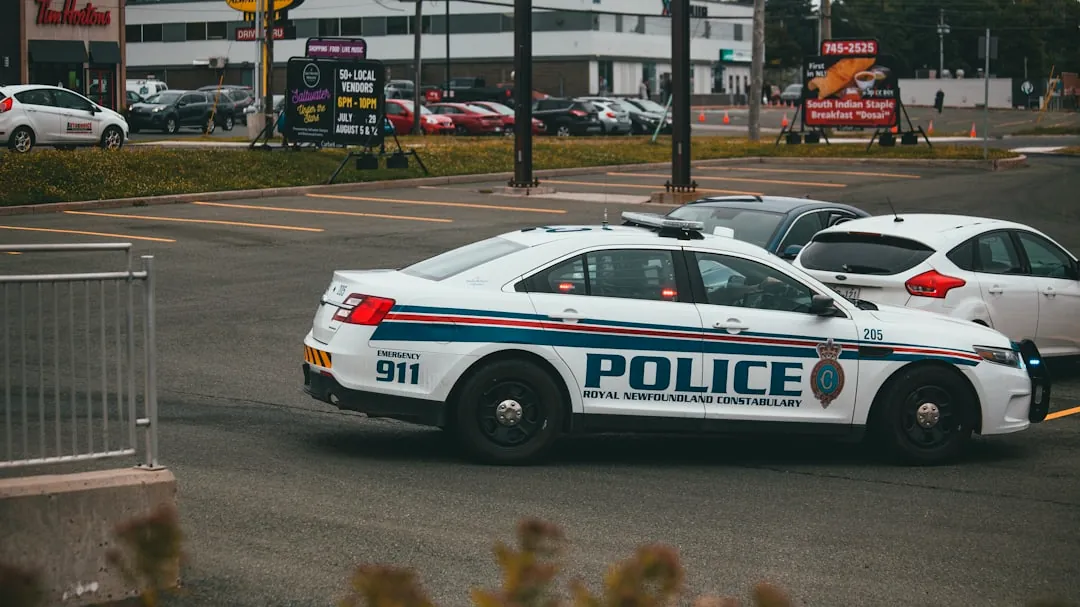
Consider pausing solo night visits or trips involving large cash if you observe repeated incidents, no visible change in patrols or lighting, or if you personally feel unsafe — those are practical stop signals that warrant altering plans.
What operators and law enforcement should prioritize — and what to watch next
Casino operators should treat the lot as part of the venue’s security perimeter. Immediate, cost‑effective steps include patching lighting gaps, adding cameras to cover rows and exits, posting visible security patrols at peak hours, and coordinating license‑plate monitoring at entry/exit points. Longer‑term moves include controlled access, improved sight‑lines in landscaping, and a public escalation plan so patrons know when changes have been made.
Trade‑offs matter: rapid lighting improvements and targeted camera placement often deliver the biggest risk reduction per dollar, while comprehensive lot redesigns or gated access require more time and budget. Police and casino management should agree on measurable checkpoints — for example, reduced incidents over 90 days, installation of cameras covering all lot quadrants, or a staffed escort service operating during late hours — before declaring the problem addressed.
Monitor updates on arrests, formal changes to Delaware Park Casino’s security policy, and any community safety initiatives. Those developments are the next checkpoints that tell whether this incident spurred durable change or whether patrons should keep extra precautions in place.