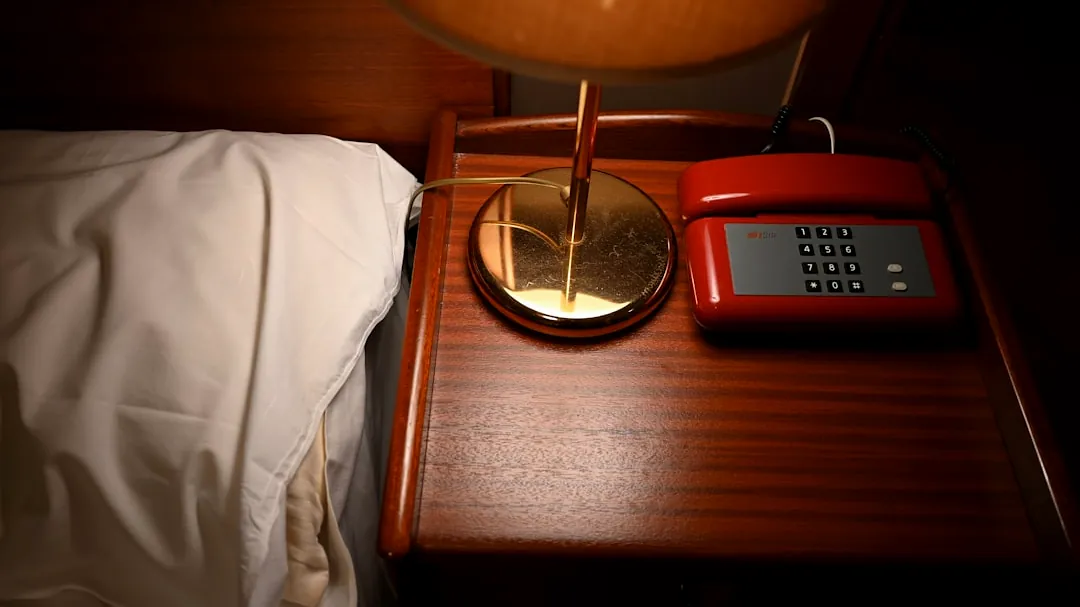
Two guests were stung by Arizona bark scorpions at the Silver Sevens Hotel & Casino in Las Vegas months apart, raising specific questions about pest control and guest safety practices at that property. The incidents — one in May 2025 and another in December 2025 — involved the most venomous scorpion species in the U.S. and have prompted medical treatment, unpaid medical bills, and potential legal action.
Exact incidents and immediate outcomes
In May 2025, Los Angeles visitor Sulaiman Lutale was bitten on the arm while preparing for bed; he filmed the scorpion crawling across the room floor before staff killed it and moved him to another room. Lutale reports no apology from the hotel and later received medical care for scarring. In December 2025, Montana guest Linda Culler was stung on a bare foot in her room; swelling and fever developed during her flight home, and she required hospitalization and two days of immobilization. The hotel waived her room charge but did not cover resort fees or medical costs.
| Item | Sulaiman Lutale | Linda Culler |
|---|---|---|
| Date | May 2025 | December 2025 |
| Sting location | Arm (captured on video) | Bare foot |
| Immediate hotel response | Scorpion killed; guest moved; no apology reported | Room charge waived; resort fees and medical costs not covered |
| Medical outcome | Treatment for scarring after return home | Hospitalization and immobilization for two days |
| Legal status | Considering legal action | Considering legal action |
How bark scorpions behave differently inside rooms
The Arizona bark scorpion (Centruroides sculpturatus) is the U.S. species most associated with medical symptoms; it climbs walls, can enter bedding and bathrooms, and hides in small gaps — traits that make it a distinct indoor threat compared with ground-dwelling scorpions. Stings typically cause intense burning pain, localized swelling, possible muscle twitching and breathing difficulty; fatalities are very rare but severe reactions can require hospitalization, as in Culler’s case.

Because bark scorpions exploit vertical and indoor spaces, standard outdoor perimeter spraying is not always sufficient. Effective mitigation requires targeted inspections (mattress seams, baseboards, plumbing penetrations), nightly housekeeping checks in higher-risk rooms, and a documented rapid-response protocol so staff can both remove pests and log sightings for follow-up pest-control treatments.
Responses, liability questions, and the next regulatory checkpoint
Both guests and their lawyers have emphasized that hotel safety standards must apply across price tiers; they argue a property like Silver Sevens cannot treat pest control as optional because it markets occupied rooms. The contrast between the hotel’s partial remedies — moving a guest in one case and waiving a room charge in the other while leaving resort fees and medical bills to the guest — is central to any liability claim.
What to watch next: whether Silver Sevens documents and publishes an upgraded pest-control plan, contracts with specialist firms for interior inspections, or implements staff training that records and responds to sightings. Regulators and local health departments would typically become involved only after a pattern emerges or a formal complaint is filed; that administrative checkpoint will be a key indicator of systemic change at the property.
Practical choices for travelers and short Q&A
Travelers should avoid assuming stings are common across Las Vegas hotels; many properties run extensive integrated pest management programs. Still, the Silver Sevens incidents are a practical reminder to take modest, low-cost precautions: keep luggage elevated, check bedding and floors, avoid walking barefoot in a room, photograph any pest, and ask staff how frequently interior inspections occur.

Quick questions
When should I seek medical care? Seek immediate care if you have severe pain, spreading swelling, muscle twitching, breathing trouble, or fever. Culler required hospital care after symptoms intensified during her flight.
What evidence helps a complaint or claim? Time-stamped photos or video (Lutale recorded the scorpion), a written report to hotel management at the time of the sighting, medical records, and any witness statements strengthen a case or a regulatory complaint.
When should you change plans or escalate? If you see multiple pests in a property, if staff do not document or address the sighting, or if the hotel refuses to provide follow-up inspection records, consider moving hotels and filing a complaint with local health or tourism regulators.