Nevada’s Gaming Control Board (NGCB) enforces strict timing and licensing rules: disputes filed after a game finishes are frequently dismissed, and operators that run unlicensed markets risk immediate suspension. Recent examples—from the O’Brien/William Hill decision to the state action against prediction-market firm Kalshi—make the stakes and checkpoints plain for both players and platforms.
How the NGCB treats late dispute filings
Under NGCB practice and Regulation 7A, a patron must raise a wagering dispute before the event ends; claims filed after the result are routinely dismissed. The board’s ruling in the O’Brien matter (a William Hill bettor) reiterated that lateness transfers responsibility for the loss to the player, not the operator.
The procedural reality matters: Regulation 7A requires patrons to present evidence and witnesses during investigation and hearings, and if unhappy with the board’s decision they have 20 days to sue in court. That timeline and the evidence burden are concrete thresholds—miss the filing window and you generally forfeit both administrative review and the usual path to judicial relief.
Kalshi’s licensing fight and the geofencing checkpoint
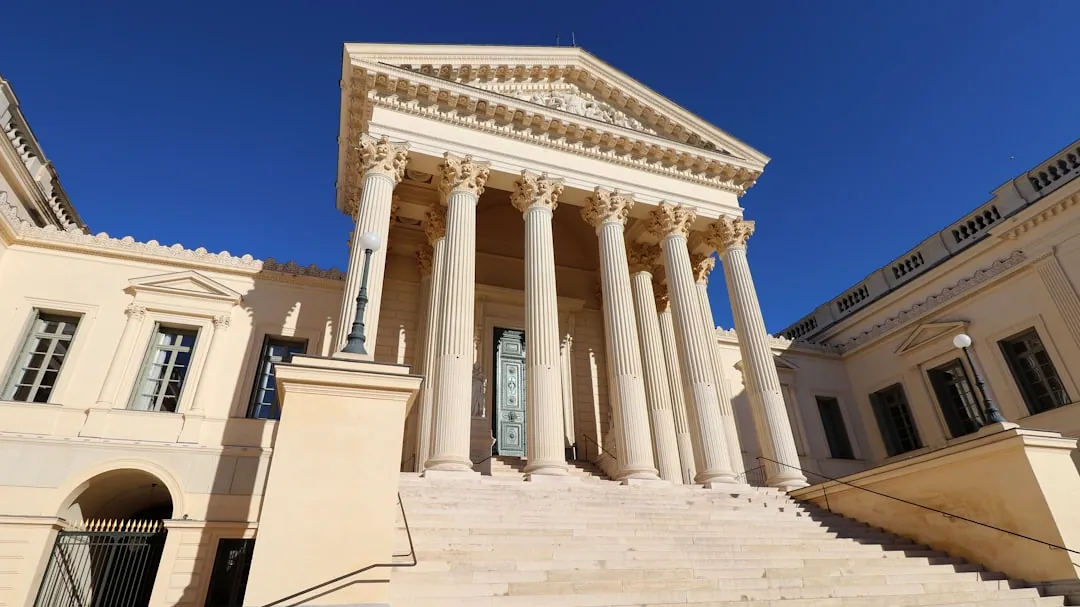
Kalshi has been enjoined from offering certain sports, election and entertainment contracts in Nevada after state courts found the platform was operating without a Nevada gaming license. Federal litigation over whether the Commodity Exchange Act and the CFTC displace state licensing was returned to Nevada state court, affirming state jurisdiction over the licensing dispute.
Regulators allege Kalshi also failed to implement a court-ordered geofence. Court filings in early June 2026 say Nevada residents continued to see banned contracts, which prompted the NGCB to seek sanctions and reimbursement of legal costs—a real-world enforcement checkpoint for platforms that attempt to rely solely on federal oversight.
Where disputes still go wrong: payouts, machines, and lost claims
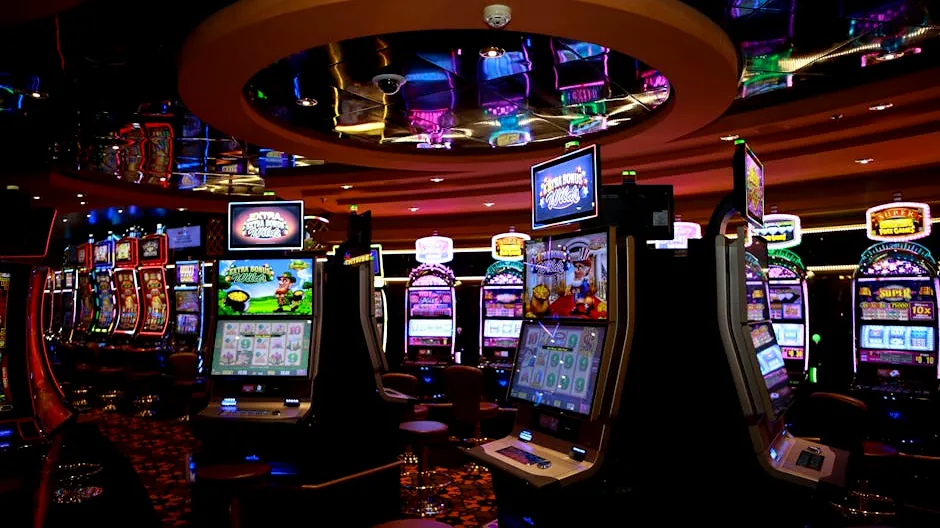
Operational issues account for much of the money at stake: in 2024 around $1.3 million in disputed jackpots across 15 licensed casinos and sportsbooks did not go to patrons, with most disputes turning on slot malfunctions, software behavior, or misunderstanding of payout rules. Investigations typically begin with enforcement agents, proceed to hearings before officers, and end with board decisions—process stages that favor operators when malfunction or rule terms are demonstrable.
That pattern creates two practical consequences for bettors: retain contemporaneous evidence (time-stamped photos, receipts, witness names) and file immediately before the event concludes. Without those elements, the NGCB’s structure gives casinos a strong procedural advantage.
Decision checkpoints and a quick comparison for bettors and operators
There are three actionable checkpoints to decide whether to proceed with a dispute: (1) timing—was the complaint raised before the event ended; (2) evidence—do you have documentation and witnesses available; (3) operator status—is the platform licensed in Nevada or demonstrably geofenced from Nevada users. If any checkpoint fails, the practical likelihood of prevailing at the NGCB falls sharply.
| Condition | Filing window | Typical NGCB outcome | Next step |
|---|---|---|---|
| Timely dispute (before event ends) | Immediate | Investigation and hearing; case considered | Prepare evidence; attend hearing; appeal to court within 20 days if needed |
| Late dispute (after event ends) | Too late under NGCB rules | Routinely dismissed, as in the O’Brien v. William Hill example | Limited administrative relief; narrow court options |
| Unlicensed operator activity (e.g., Kalshi) | Not applicable; operator lacks state license | Platform can be banned or suspended; state courts retain jurisdiction | Regulatory enforcement; sanctions; operator must implement geofencing or seek license |
Short Q&A
When must I file a dispute? Before the event concludes; Regulation 7A and NGCB rulings treat post-event filings as untimely.
Can federal law override Nevada licensing? Federal claims have been raised, but a federal court recently returned Kalshi’s licensing dispute to Nevada state court, signaling that state licensing authority remains decisive for in-state operations.
What if a platform disobeys a geofence order? The NGCB and state courts can seek sanctions and reimbursement of costs; filings from early June 2026 allege Kalshi continued to make banned contracts available to Nevada residents.